What Is Thermal Therapy and How Does It Work?
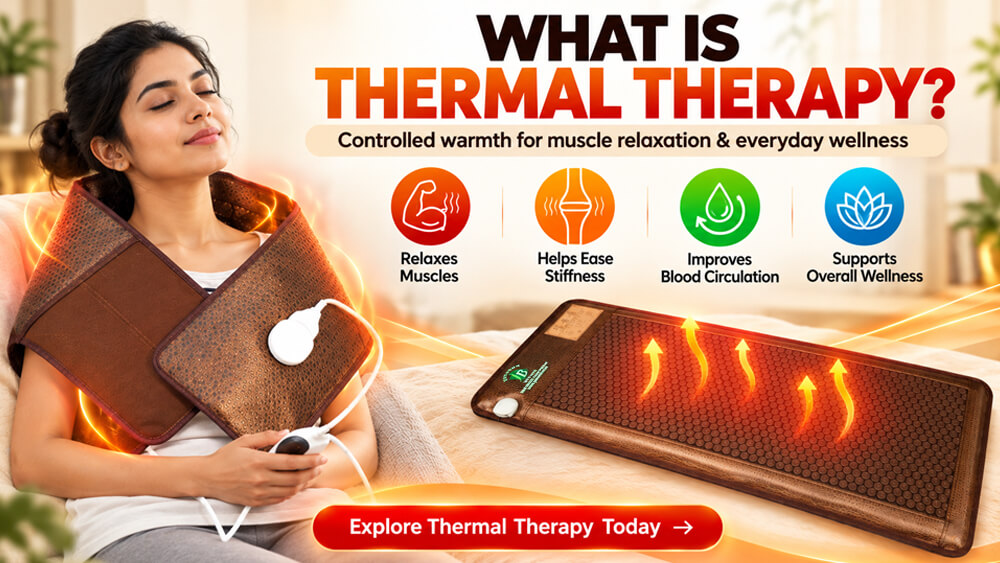
What Is Thermal Therapy and How Does It Work?
Thermal therapy is a wellness approach that uses controlled heat to help relax muscles, ease stiffness, and provide temporary relief from certain types of discomfort. It is commonly used in physiotherapy, rehabilitation, and everyday self-care routines.
At Trycam India, thermal therapy is one of the technologies featured in Korean wellness devices. Understanding how it works can help you make informed decisions about incorporating heat-based therapy into your wellness routine.
What Is Thermal Therapy?
Thermal therapy, also known as heat therapy or thermotherapy, involves applying controlled warmth to a specific area of the body. Heat can be delivered through heating pads, warm compresses, thermal belts, mats, and specialised therapeutic equipment.
The heat may increase local blood flow, relax tight muscles, and reduce stiffness. Different thermal therapy devices use different technologies, so their temperature settings, application methods, and intended uses can vary.
How Does Thermal Therapy Work?
Thermal therapy works through several natural responses to warmth.
1. Supports Local Blood Circulation
Applying gentle heat can widen nearby blood vessels, a process known as vasodilation. This may increase local blood flow to the treated area.
2. Helps Relax Tight Muscles
Warmth may help reduce muscle tension and stiffness, making it useful for certain types of muscular discomfort.
3. Helps Reduce Stiffness
Heat may make movement more comfortable by helping relax soft tissues, particularly in some cases of persistent muscle or joint stiffness.
4. Provides Temporary Pain Relief
Thermal therapy may help reduce certain types of discomfort, including muscular aches and some forms of lower back pain. Its effectiveness depends on the underlying condition and the method used.
What Are the Benefits of Thermal Therapy?
When used appropriately, thermal therapy may offer several benefits:
- Muscle relaxation — may help ease tight and tense muscles.
- Temporary pain relief — may reduce certain types of muscle discomfort.
- Improved flexibility — can help make stiff muscles feel more comfortable.
- Relaxation and comfort — provides soothing warmth during self-care.
- Wellness support — can be incorporated into an appropriate wellness routine.
The results vary from person to person. Thermal therapy is not a cure for every health condition and should not replace appropriate medical care.
Types of Thermal Therapy
1. Heating Pads and Warm Compresses
These provide surface warmth and are commonly used for temporary relief from muscle tension and stiffness.
2. Thermal Belts
Thermal belts are designed to deliver warmth to targeted body areas. Their applications depend on the product design and manufacturer's instructions.
3. Thermal Mats
Thermal mats provide a larger heating surface for warmth and relaxation, depending on the device's specifications and intended use.
4. Professional Heat-Based Treatments
Specialised equipment may deliver controlled heat as part of a physiotherapy or rehabilitation programme.
Thermal Therapy Products at Trycam India
Trycam India offers Korean therapy and wellness devices featuring different technologies. Here are two products to explore if you are interested in thermal therapy.
1. MK-90 Thermal Belt
The MK-90 Thermal Belt is designed to provide targeted warmth according to the manufacturer's instructions. It may be an option for people looking for a dedicated thermal belt for their wellness routine.
2. MK-9900 Thermal Mat
The MK-9900 Thermal Mat is designed to provide warmth over a larger contact area. Its suitability depends on the individual's requirements and the product's specified applications.
Before selecting a thermal therapy device, review its features, operating instructions, safety precautions, and intended applications.
How to Use Thermal Therapy Safely
Thermal therapy should be used carefully to avoid burns, skin irritation, and overheating. Follow these important precautions:
- Follow the manufacturer's instructions for temperature and session duration.
- Avoid excessive heat and prolonged exposure.
- Do not apply heat to open wounds or damaged skin.
- Seek medical advice if you have poor circulation or reduced skin sensation.
- Avoid heating a new injury with significant swelling unless advised by a healthcare professional.
- Stop using the device if you experience burning, dizziness, or worsening discomfort.
Important: People with diabetes-related nerve damage, circulation problems, or other conditions affecting heat sensitivity should consult a healthcare professional before using thermal therapy devices. These products should not replace professional medical advice or prescribed treatment.
Is Thermal Therapy Right for You?
Thermal therapy may be suitable for people seeking temporary relief from certain types of muscle tension, stiffness, or discomfort. However, it is not appropriate for every condition.
A qualified healthcare professional can help determine whether heat therapy is suitable for your health needs and recommend an appropriate method.
Conclusion
Thermal therapy uses controlled warmth to support muscle relaxation, increase local blood flow, and help manage certain types of discomfort. When used correctly, it can be a helpful addition to an appropriate wellness routine.
Trycam India offers products such as the MK-90 Thermal Belt and MK-9900 Thermal Mat for people exploring heat-based wellness technologies. Review the available product information and safety guidelines before making a choice.
Explore Thermal Therapy Products at Trycam India
MK-90 Thermal Belt | MK-9900 Thermal Mat
Disclaimer: This article is for general educational purposes only and is not a substitute for professional medical advice, diagnosis, or treatment.
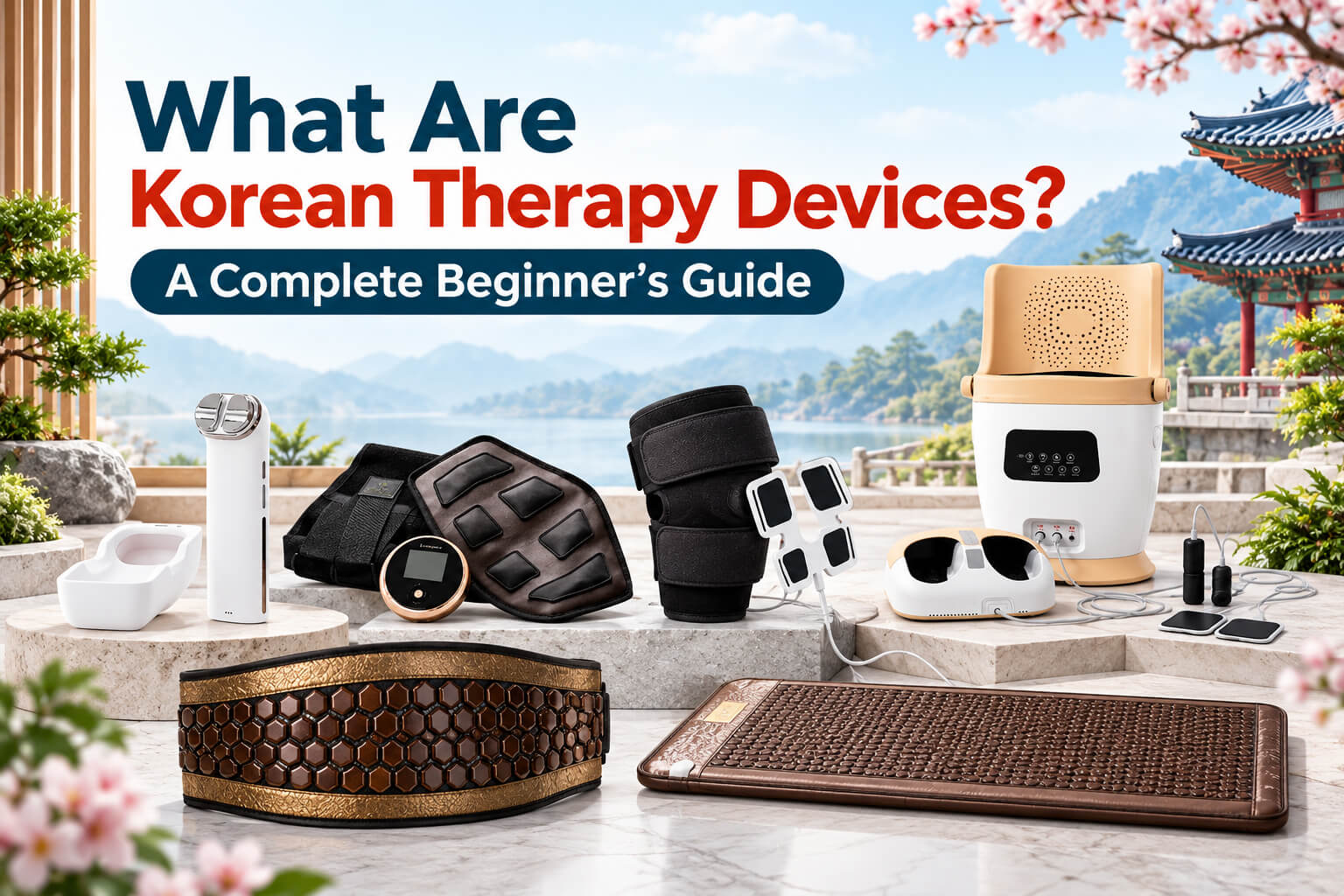
Korean Therapy Devices: Beginner's Guide | Trycam India
Published On — Oct 13, 2026